Tag: SCADA integration

Manufacturing Downtime and Quality Issues Are Manual Problems — Here’s How AI Automation Fixes Them Fast

Manufacturing Downtime and Quality Issues Are Manual Problems — Here’s How AI Automation Fixes Them Fast

Manual processes are costing your plant hours of avoidable downtime and piles of quality defects. Every minute spent on inspections, changeovers, and maintenance without automation adds up to lost production and higher costs. The good news: manufacturing automation Australia is changing the game with AI-driven tools that slash downtime and boost quality fast. Let’s explore how your operation can move from manual headaches to measurable gains.

The Role of AI in Manufacturing
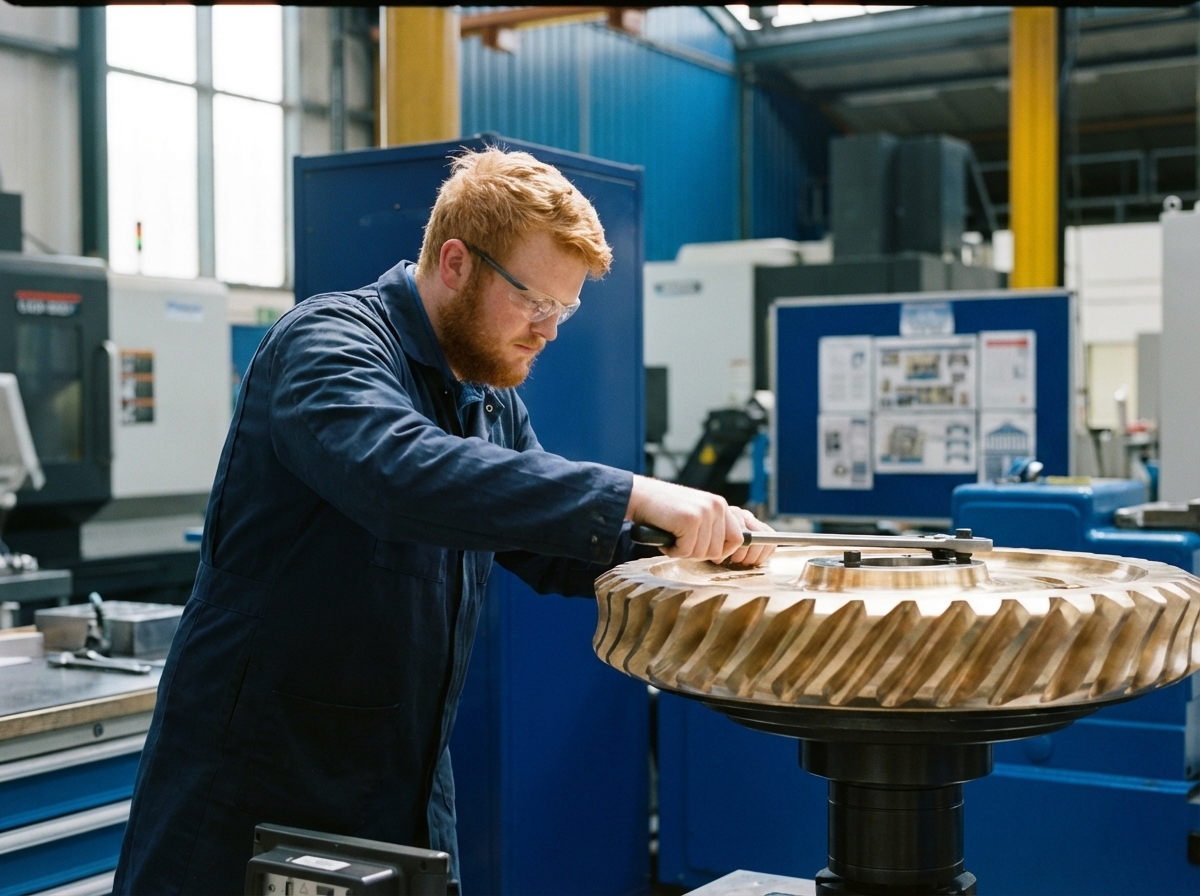
In today’s fast-paced world, artificial intelligence is reshaping the manufacturing landscape. Gone are the days when manual processes held back productivity. With AI, Australian factories are taking the lead in innovation and efficiency.

AI Automation in Australian Factories

Australian factories are embracing AI automation, and it’s not just for large corporations. Small to medium-sized manufacturers are also benefiting. By integrating AI, you can reduce production delays and enhance product quality. Imagine a world where machinery communicates to predict potential issues: that’s the power of AI.

In one factory, AI automation led to a 20% increase in production output. This wasn’t achieved through longer hours, but smarter work. AI tools allow your machines to adjust in real-time, minimizing wastage and maximising output. The transformation is not just in numbers, but in the quality and consistency of products. With AI, every unit produced meets the highest standards, ensuring customer satisfaction.

Predictive Maintenance and Downtime Reduction

Predictive maintenance is another game-changer for manufacturers. Traditional maintenance relied on routine checks, often leading to unnecessary downtime. With AI, maintenance is proactive, not reactive. This means fewer interruptions and more savings.

Consider a plant that cut downtime by 30% using predictive maintenance. How? AI systems continuously monitor equipment health, alerting teams to potential issues before they become costly problems. This predictive approach keeps operations running smoothly, reducing unexpected halts and the associated costs. It’s about working smarter, not harder.

Machine Vision for Quality Control

AI-driven machine vision is revolutionising quality control. Instead of manual inspections, which can miss subtle defects, machine vision provides precise, real-time analysis. This technology ensures every product meets stringent quality standards without slowing down production.

In one case, a manufacturer reduced defects by 25% after implementing machine vision. AI systems scan products faster and more accurately than the human eye, catching errors before they reach the customer. This not only enhances product reliability but also builds trust with your clientele. Machine vision is your silent partner in maintaining top-tier quality.

Overcoming Manual Challenges with AI
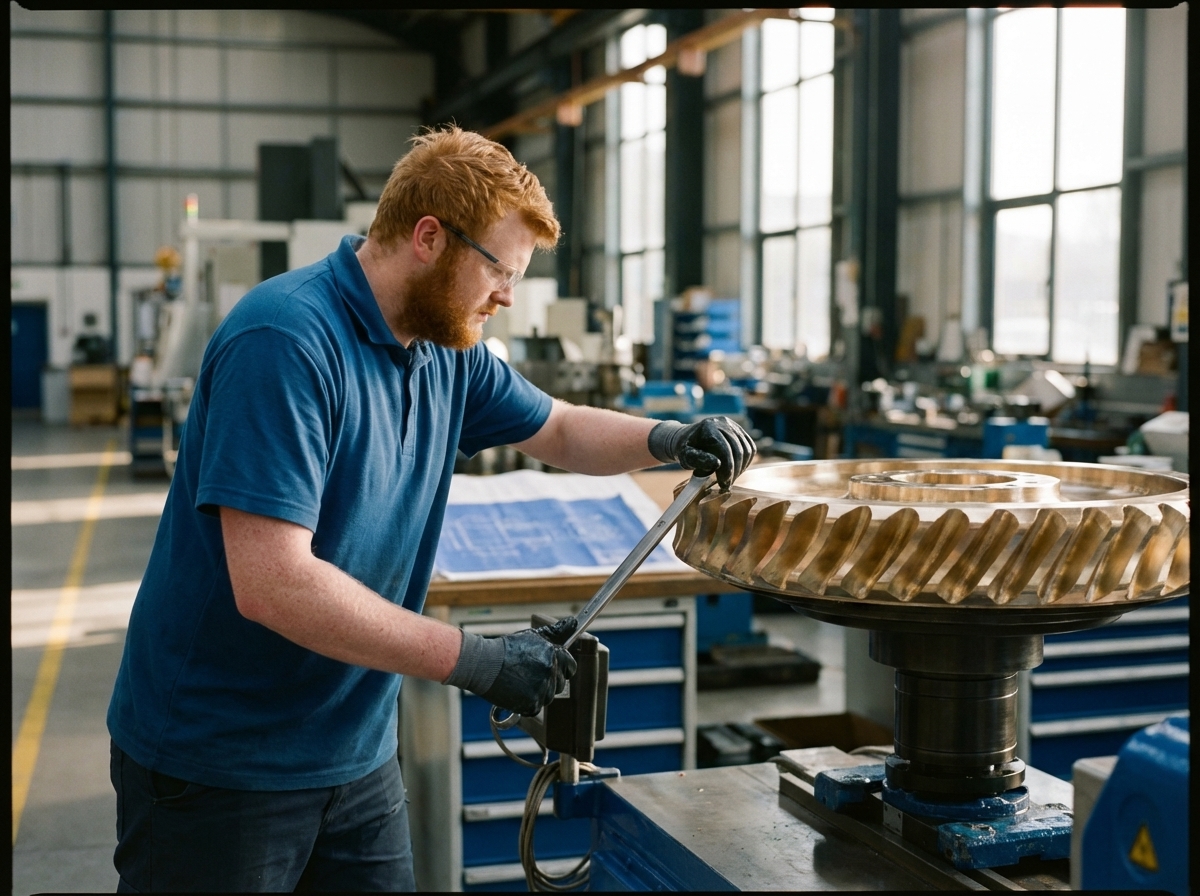
The challenges of manual processes are well-known: inefficiency, high error rates, and lost time. AI offers solutions that not only overcome these issues but turn them into opportunities for improvement and growth.

Real-Time Production Reporting Benefits

Real-time production reporting is a powerful tool for any manufacturer. With AI, you gain instant insights into every aspect of your production line. This transparency allows for quicker decision-making and a deeper understanding of operations.

In factories using real-time reporting, managers can track performance metrics instantly. This visibility means you can respond to issues swiftly, maintaining efficiency and minimizing downtime. Imagine having a dashboard that shows where improvements are needed at any moment. This proactive approach leads to better planning and resource allocation, making your plant more agile and responsive.

Digital Work Instructions and Changeovers

Digital work instructions simplify complex processes. Gone are the days of paper manuals and guesswork. With digital guides, your team follows precise, step-by-step instructions, reducing errors and speeding up changeovers.

A plant that adopted digital instructions saw changeover times cut by 40%. Employees accessed the latest procedures on tablets, ensuring consistency and reducing training time for new staff. This shift not only enhances productivity but also boosts worker confidence and morale. When your team knows exactly what to do, they perform better, and your production line flows smoothly.

RPA for Manufacturing Efficiency

Robotic process automation (RPA) takes repetitive tasks off your hands. From inventory management to order processing, RPA handles it all, allowing your team to focus on strategic, high-value activities.

Manufacturers using RPA report a 50% reduction in manual processing time. These robots work tirelessly, ensuring accuracy and efficiency around the clock. By automating mundane tasks, your team can concentrate on innovation and problem-solving. This shift not only increases efficiency but also drives job satisfaction, as employees engage in more meaningful work.

Realising ROI with BlueArc Tech
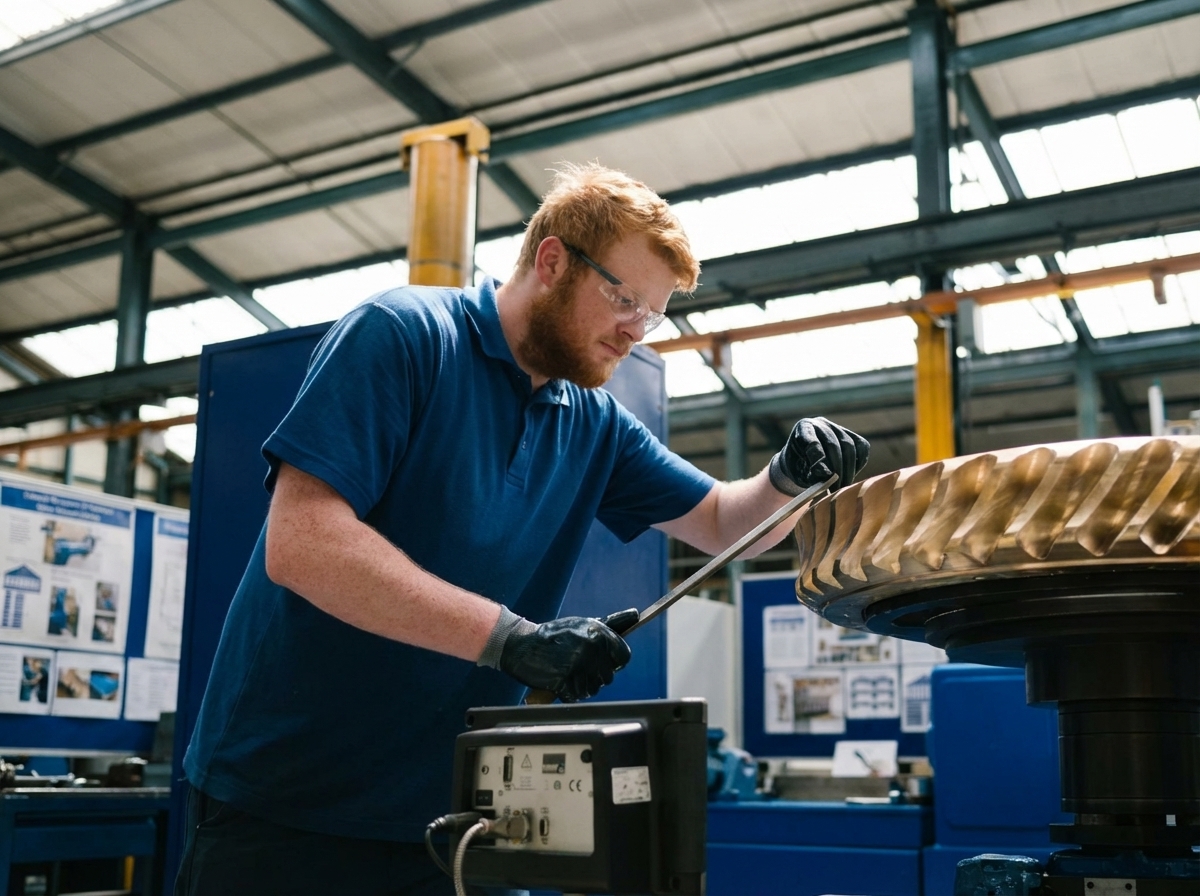
BlueArc Tech is more than an AI provider: we’re your partner in achieving measurable business success. Our clients see real returns, thanks to our tailored solutions and proven strategies.

Success Stories and Proven Outcomes

Our success stories speak for themselves. One client reduced manual labour by 60% using our AI tools. Another saw a 120% ROI within the first year. These aren’t isolated cases; they’re the norm with BlueArc Tech.

Our approach ensures that each solution is customized to fit your specific needs. We’re not just offering technology; we’re delivering results that transform your operations. With us, you gain more than efficiency—you gain a competitive edge.

Our Year-1 ROI Guarantee

We stand by our solutions with a unique Year-1 ROI guarantee. If we don’t deliver the promised savings, we credit your setup fee. This commitment underscores our confidence in the value we provide.

Our guarantee means you can invest in AI with peace of mind. We’re here to ensure you see tangible benefits from day one. Let us show you how quickly AI can pay off and reshape your business future.

Book Your Free Diagnostic Today

Ready to see the impact of AI on your operations? Book your free diagnostic with BlueArc Tech. Our experts will assess your current processes, identify opportunities for automation, and outline a clear path to improvement.

Don’t wait for inefficiencies to cost you more. The longer you delay, the more you miss out on savings and growth. Contact us today to unlock your plant’s potential and join the future of manufacturing efficiency.

Learn how tailored AI solutions can reduce your operational risks today.

Predictive Analytics in Manufacturing: Cutting Downtime and Enhancing Quality Control

Predictive Analytics in Manufacturing: Cutting Downtime and Enhancing Quality Control

Unplanned downtime drains your factory’s productivity and inflates costs without warning. Predictive analytics manufacturing offers a way to spot issues before they escalate, cutting downtime by up to 40% and boosting quality control through smarter insights. This post lays out a clear path from raw data to MLOps, showing how you can lift first‑pass yield and improve OEE with real numbers. Stick around to see how BlueArc Tech can back your next pilot with a solid ROI guarantee. For further insights, check out this resource.

Reducing Downtime with Predictive Analytics

Predictive analytics is a game-changer in reducing downtime in manufacturing, helping you keep operations running smoothly. Let’s explore how it can make a difference in Australia.

Harnessing Predictive Maintenance in Australia

Predictive maintenance is your secret weapon against unexpected breakdowns. Instead of reacting to problems, you can anticipate them. By using data, you can predict when machinery might fail and address it beforehand. Think of it as a weather forecast for your factory. This proactive approach can cut your downtime by up to 40%. For more details on how predictive analytics helps in production, visit this link.

Condition Monitoring for Optimal Performance

Condition monitoring ensures your machines are in top shape. Sensors collect data on temperature, vibration, and other key metrics. This data helps to pinpoint issues before they become costly. Imagine a doctor checking vital signs—it’s quite similar. By maintaining optimal conditions, you enhance performance and reduce costs. This method is a staple in modern maintenance strategies. For further understanding, check this resource.

Root Cause Analysis for Quick Resolutions

When problems arise, finding the root cause quickly is crucial. Root cause analysis digs deep to uncover the reasons behind failures. This approach saves time and money by preventing future issues. It’s like solving a mystery with data as your guide. By understanding the ‘why,’ you can fix problems faster and avoid them down the line. This technique helps ensure your operations stay efficient.

Enhancing Quality Control Through AI

Quality control is vital to manufacturing success. Leveraging AI can significantly boost your first-pass yield and improve overall quality.

First-Pass Yield Improvement Tactics

Improving first-pass yield means getting products right the first time. AI analyses your production data to identify patterns and suggest improvements. Think of it as having a smart assistant that never sleeps. By refining processes, you reduce defects and increase efficiency. Companies using AI report up to a 20% improvement in first-pass yield.

Computer Vision Inspection in Manufacturing

Computer vision is like giving your machines eyes. It inspects products with precision, catching defects that humans might miss. This technology speeds up quality checks and enhances accuracy. For example, a camera can scan thousands of items quickly, ensuring they meet standards. By using computer vision, you can boost your quality control and reduce waste.

MLOps for Smart Manufacturing

MLOps, or Machine Learning Operations, integrates machine learning models into production. This approach automates decision-making processes, making your manufacturing smarter. It’s like having an expert team working round the clock behind the scenes. With MLOps, you streamline operations and keep your factory running efficiently. For details on predictive quality analytics, this article provides valuable insights.

Crafting a Roadmap for Manufacturing Automation

Automation is the future of manufacturing. Creating a roadmap helps you navigate this journey successfully.

SCADA and MES Integration Steps

Integrating SCADA (Supervisory Control and Data Acquisition) and MES (Manufacturing Execution Systems) is crucial. These systems work together to monitor and control production in real-time. Think of SCADA as the eyes and ears, while MES acts as the brain. By combining them, you gain better insights and control over your operations. This integration is essential for modern manufacturing.

Leveraging Industrial IoT in Production

Industrial IoT (IIoT) connects your machines, collecting and sharing data. This connectivity allows for real-time monitoring and optimisation. It’s like giving your factory a voice. With IIoT, you can track every aspect of production, making swift adjustments when needed. This technology is transforming how manufacturers operate, driving efficiency and innovation.

Partnering with BlueArc Tech for Success

Partnering with experts like BlueArc Tech ensures you’re on the right path. Their experience in AI and automation can guide you towards success. They offer tailored solutions that meet your unique needs, helping you maximise ROI and improve performance. By collaborating with them, you tap into expertise that drives results.

In conclusion, adopting predictive analytics and AI in manufacturing can revolutionise your operations. From reducing downtime to enhancing quality, these technologies offer substantial benefits. Embrace this future-ready approach and position your business for sustained success.

Booking

Real‑Time Analytics: The Competitive Edge for Australian Manufacturers — and Everyone Else

Real‑Time Analytics: The Competitive Edge for Australian Manufacturers — and Everyone Else

Real-time analytics isn’t just a tech trend—it’s reshaping how Australian manufacturers boost OEE, slash downtime, and tighten quality control. If you’re juggling delays and data blind spots, this approach offers a clear path to faster, smarter decisions. Keep reading to see how BlueArc Tech crafts tailored analytics pipelines that deliver measurable ROI and put you ahead of the competition. For more insights, visit this link.

Real-Time Analytics in Manufacturing

Real-time analytics is changing how manufacturers operate. It’s not just about technology; it’s about making factories smarter and more efficient. Let’s dive into how this revolution is happening.

Boosting OEE and Cutting Downtime

Want to increase your factory’s productivity? Real-time analytics is the key. It helps you track every part of your production process. Knowing exactly when and where things slow down lets you fix problems quickly. Imagine saving hours of downtime simply by spotting issues earlier. That’s the power of real-time data. For more detailed insights, check this article.

Most people think improving efficiency means working harder. But it’s more about working smarter. By using real-time analytics, you get a clear view of your operations. This means you can plan maintenance before something breaks, avoiding costly delays.

Enhancing Quality and Speeding Decisions

Quality control is essential in manufacturing. Real-time analytics provides immediate feedback on production quality. If a defect occurs, it’s identified instantly, allowing you to address it before it spirals.

Quick decision-making is another benefit. With instant data, you can make informed decisions on the fly. This agility means better products and happier customers. It’s like having a crystal ball that shows you what’s happening in your factory right now.

Real-World Applications in Manufacturing

In the real world, many manufacturers are already reaping the benefits. Consider a factory that reduced its downtime by 30% using predictive maintenance. They used real-time data to schedule repairs before failures occurred. The result? More uptime and higher productivity.

Even small changes can have big impacts. By integrating IoT data, manufacturers can monitor equipment health continuously. This proactive approach is what sets industry leaders apart. For a deeper understanding of real-time analytics, visit this site.

Beyond Manufacturing: Analytics for All

Real-time analytics isn’t just for manufacturing. It’s transforming other industries too. Let’s explore how it applies beyond the factory floor.

Streamlining Logistics and Construction

In logistics, real-time data helps track shipments and improve delivery times. It provides visibility into every step of the supply chain. This means fewer delays and happier customers.

Construction projects benefit by using analytics to monitor progress and resource allocation. It ensures that everything is on track and within budget. The longer you wait to implement these tools, the more you risk falling behind your competitors.

Legal, Accounting, and Government Insights

Legal firms can use analytics to streamline document management and compliance. It reduces errors and increases efficiency. Similarly, accounting firms benefit from real-time data by automating reports and improving accuracy.

Government agencies can enhance public services by using analytics to manage resources better. It ensures faster service delivery and improved transparency. Visit this resource for more on the benefits of analytics in diverse sectors.

Partnering with BlueArc Tech

Choosing the right partner for analytics solutions is crucial. BlueArc Tech stands out with its tailored approach and proven results.

Designing Bespoke Analytics Pipelines

BlueArc Tech designs custom analytics pipelines that fit your unique needs. They ensure seamless integration with your existing systems, making the transition smooth and effective.

Most companies think a one-size-fits-all solution will work. But tailor-made solutions provide the best results. By focusing on what makes your business unique, BlueArc ensures you get maximum value from your investment.

Real-World ROI and Success Stories

Have you heard about the manufacturing client who increased their efficiency by 40% within a year? BlueArc Tech made it possible through real-time analytics. Their tailored solutions guarantee a high ROI, making your investment worthwhile.

Booking Your Strategy Session with Us

Ready to transform your operations? BlueArc Tech is here to guide you every step of the way. Although there’s no link to book a session right now, you can explore more about real-time analytics and its applications by visiting Oracle’s insight page.

In summary, the power of real-time analytics stretches beyond just data collection. It’s about making smarter, faster decisions that propel your business forward. Embrace this change with a trusted partner like BlueArc Tech and see the difference it makes.

Booking

Predictive Analytics for Manufacturing: Reduce Downtime. Cut Costs. Lift OEE.

Predictive Analytics for Manufacturing: Reduce Downtime. Cut Costs. Lift OEE.

Unexpected downtime costs Australian manufacturers millions every year. You know the pain: unplanned stops disrupt schedules, spike maintenance costs, and drag down OEE. Predictive analytics manufacturing offers a smarter path—spotting issues before they hit, streamlining maintenance, and cutting costs. Keep reading to see how BlueArc Tech helps you reduce downtime fast, with measurable ROI in your first year. For more insights, check out this article.

Understanding Predictive Analytics

Let’s dive into the world of predictive analytics in manufacturing. This approach offers a proactive way to manage your operations and minimise unexpected interruptions.

What is Predictive Analytics in Manufacturing?

Predictive analytics in manufacturing is like having a crystal ball for your production line. By analysing historical and real-time data, it forecasts potential issues before they occur. Imagine spotting a machine failure weeks ahead of time. This foresight helps you plan maintenance and keep production smooth. The magic lies in algorithms that learn from data patterns. These patterns reveal insights you might miss otherwise. For more on how predictive analytics shapes the future of production, visit this insightful blog post.

By adopting this smart approach, you gain control over your operations. Fewer surprises mean less downtime, which keeps your team focused on innovation instead of firefighting. Most manufacturers rely on traditional methods, but predictive analytics offers a modern alternative that can elevate your efficiency.

The Role of IoT Sensors and Edge Analytics

IoT sensors and edge analytics work like a vigilant watchman for your machines. They collect and process data at the point of action, providing immediate insights. Imagine sensors tracking vibrations or temperature changes in real-time. When anomalies appear, edge analytics alerts you instantly. You can then act before a small issue becomes a big problem. This setup doesn’t just save time; it saves money by preventing costly repairs.

Data from IoT sensors travels fast, right to your fingertips. You can monitor and manage from anywhere, whether on the factory floor or remotely. This flexibility means you’re always in control, ensuring optimal performance without delays.

Benefits of Time-Series Forecasting

Time-series forecasting is a powerful tool that predicts future trends based on past data. Think of it as a weather forecast for your production line. It helps you plan by predicting when machines might need attention. This advance notice allows you to schedule maintenance during downtimes, avoiding production halts.

With time-series forecasting, you’re not just reacting; you’re anticipating. It improves decision-making and resource allocation, reducing waste and increasing productivity. As a result, you enjoy smoother operations and better cost management.

Preventing Unplanned Downtime

Understanding predictive analytics is just the beginning. Let’s explore how these tools actively prevent unplanned downtime, keeping your operations running smoothly and efficiently.

Anomaly Detection and Condition Monitoring

Anomaly detection acts as an early warning system, spotting deviations from normal operations. By continuously monitoring conditions, it identifies unusual patterns that might signal problems. For example, a spike in machine temperature could indicate a potential breakdown. By catching these signs early, you can address issues before they escalate, preventing costly downtime.

Condition monitoring provides ongoing insights into your equipment’s health. This real-time data allows you to make informed decisions about maintenance and repairs. Instead of waiting for a failure, you proactively manage your machinery, ensuring longevity and reliability.

SCADA and MES Integration for Real-Time Alerts

Integrating SCADA and MES systems delivers real-time alerts directly to your team. These systems work together to streamline operations and enhance communication. When a machine shows signs of trouble, alerts are sent immediately, allowing for quick action.

This integration improves response times and reduces manual intervention. Your team can focus on solving issues rather than searching for them. By keeping everyone informed, you ensure seamless operations and avoid disruptions.

CMMS Automation with Root Cause Analysis

CMMS automation simplifies maintenance management by organising tasks and schedules. With root cause analysis, it identifies the underlying reasons for equipment failures. This dual approach allows you to address not just the symptoms but the causes of problems.

By automating maintenance routines, you ensure consistency and efficiency. Your team can concentrate on strategic tasks, while the system handles routine maintenance. This proactive strategy reduces downtime and extends the life of your equipment.

Cost Reduction and OEE Improvement

Preventing downtime is crucial, but there’s more to gain. Let’s explore how predictive analytics also leads to significant cost reductions and OEE improvements.

Forecasting Failures to Cut Spare Parts Costs

Predictive analytics forecasts potential failures, allowing you to optimise spare parts inventory. By knowing which parts are likely to fail, you can stock them in advance, avoiding last-minute purchases. This approach reduces inventory costs and ensures you have the necessary parts on hand when needed, minimising repair times.

With accurate forecasts, you avoid overstocking and wasting resources. Your inventory becomes lean, efficient, and cost-effective, contributing to overall savings.

MTBF and MTTR Tracking for Optimal Maintenance

Tracking MTBF and MTTR provides insights into your equipment’s performance and maintenance needs. MTBF predicts the time between failures, while MTTR measures repair speed. By understanding these metrics, you can optimise maintenance schedules and resources.

This approach ensures your equipment runs smoothly and efficiently, reducing downtime and maintenance costs. As a result, you achieve higher OEE and improved productivity.

BlueArc Tech’s ROI Model and Industry 4.0 Australia

BlueArc Tech offers a proven ROI model that delivers measurable results. Our approach aligns with Industry 4.0 principles, integrating advanced technologies to streamline operations. With our expertise, you can achieve significant improvements in efficiency and cost savings.

Our solutions are tailored to your unique needs, ensuring maximum impact and return on investment. By partnering with BlueArc Tech, you unlock the full potential of predictive analytics in your manufacturing operations. For more on predictive maintenance and cost savings, visit this detailed guide.

By adopting predictive analytics, you’re not just fixing problems; you’re preventing them. This proactive approach transforms your operations, reducing downtime, cutting costs, and boosting efficiency. With BlueArc Tech as your partner, you gain the tools and expertise needed to thrive in today’s competitive landscape. Embrace the future of manufacturing and secure a smarter, more efficient operation.

Booking

Predictive Analytics for Australian Manufacturers: Lift OEE. Slash Downtime. Scale Smart.

Predictive Analytics for Australian Manufacturers: Lift OEE. Slash Downtime. Scale Smart.

Predictive analytics manufacturing is reshaping how Australian factories run. If your plant struggles with unexpected downtime or stalled output, this approach offers a clear path forward. In this post, you’ll see how AI tools can boost your OEE, cut costly breakdowns, and give you the data to scale smarter. Let’s unpack the practical steps that can turn your operation into a leaner, more reliable machine. Learn more about AI’s impact on manufacturing productivity.

Boosting OEE with Predictive Analytics

Imagine a world where factory lines never stop for unscheduled maintenance. With predictive analytics, this dream moves closer to reality. How does it work in manufacturing?

Understanding Predictive Analytics Manufacturing

Predictive analytics uses data to foresee future equipment issues. It might sound complex, but it’s all about using past data to predict future performance. This forecasting helps you act before problems arise, boosting efficiency and reducing costs.

Predictive analytics begins with data collection. Sensors gather information from machines, which is then analysed. This data reveals patterns, helping anticipate when a part might fail. As a result, you’re not just reacting to breakdowns; you’re preventing them. This proactive approach means less downtime and more production.

Key Benefits for Australian Manufacturers

Why should Australian manufacturers care about predictive analytics? The benefits are clear. First, it offers a competitive edge. By cutting downtime, you increase output. More production means more profit. It’s that simple.

Predictive analytics also enhances safety. When machines run smoothly, the risk of accidents drops. Your workers stay safer, and your plant runs better. Plus, with fewer breakdowns, maintenance costs fall. It’s a win-win.

Using predictive analytics isn’t just about tech-savvy operations. It’s about smarter decision-making. With real-time data, you can make informed choices, helping your business stay ahead in a fast-paced market.

Real-World ROI Outcomes

You might wonder: does predictive analytics really pay off? Look at the numbers. Companies report up to a 25% reduction in downtime. That’s significant. Less downtime means more production, translating directly into higher profits.

Consider a manufacturer who implemented predictive maintenance. They saw a 20% increase in productivity within months. Those savings turn into profits fast. Predictive analytics doesn’t just promise results—it delivers them. Discover more about predictive analytics in manufacturing.

Reducing Downtime through Predictive Maintenance

Predictive maintenance is a game-changer for factories. It’s the difference between costly, unexpected repairs and planned maintenance. In Australia, this approach is gaining traction.

Predictive Maintenance in Australia

Factories across Australia are adopting predictive maintenance. Why? It shifts the focus from reactive to proactive. Instead of fixing problems after they occur, you prevent them. This strategy saves time and money, essential for staying competitive in today’s market.

Predictive maintenance uses sensors to monitor equipment health. These sensors send data to a central system, which analyses it for anomalies. By catching issues early, you can schedule repairs before they become major problems. This approach keeps your machines running and your production lines moving.

Cutting Unplanned Downtime with Anomaly Detection

Anomaly detection is crucial in predictive maintenance. It identifies unusual patterns that might indicate a problem. Think of it as a warning light for your factory. Addressing these anomalies early means fewer unexpected stops.

For instance, a slight change in vibration could signal a looming failure. By acting on this early warning, you avoid a costly breakdown. This proactive stance helps maintain continuous production, saving both time and money. Learn how machine learning enhances manufacturing.

Condition Monitoring for Maximum Uptime

Condition monitoring is another key piece of predictive maintenance. It keeps you informed about the health of your equipment. By constantly watching machine conditions, you can intervene before issues escalate.

This approach maximises uptime, crucial for maintaining production schedules. With fewer hiccups, your operations run smoothly. Plus, condition monitoring helps extend equipment life by preventing excessive wear and tear.

Smart Scaling with Industry 4.0 Australia

Industry 4.0 is more than just a buzzword. It’s a shift towards smarter, interconnected systems. By embracing these technologies, Australian manufacturers can scale efficiently.

Enhancing Production Through SCADA and MES Integration

SCADA and MES integration enhances production by providing a complete view of operations. With these systems working together, you gain valuable insights into every aspect of your plant. This integration allows for better decision-making and improved efficiency.

By connecting with existing systems, you ensure seamless data flow. This connectivity helps streamline processes, making your operations more agile and responsive. As a result, you can handle increased demand without compromising quality.

Scheduling Optimisation and Quality Analytics

Efficient scheduling is vital for maximising productivity. With the right tools, you can optimise schedules to match demand. Quality analytics ensures your products meet the highest standards, reducing waste and rework.

By analysing production data, you can spot inefficiencies and make adjustments. This improvement leads to smoother operations and higher output. Ultimately, optimised scheduling and quality analytics drive growth and profitability.

Energy Optimisation and Cost Reduction

Energy costs are a significant concern for manufacturers. By optimising energy use, you can reduce expenses and minimise your carbon footprint. Predictive analytics provides the tools to monitor and adjust energy consumption.

Through data-driven insights, you can identify areas for improvement, cutting waste and lowering costs. This approach not only benefits your bottom line but also supports sustainability efforts.

In conclusion, predictive analytics offers tangible benefits for Australian manufacturers. From boosting OEE to reducing downtime, these tools provide a clear path to efficiency. Embracing these technologies ensures your operations remain competitive and future-ready. Explore more about the future of production with AI.

Ready to Stop Wasting Time?

Free Audit Includes:
  • Current Process Analysis
  • Time Waste Identification
  • ROI Projection
  • Implementation Roadmap